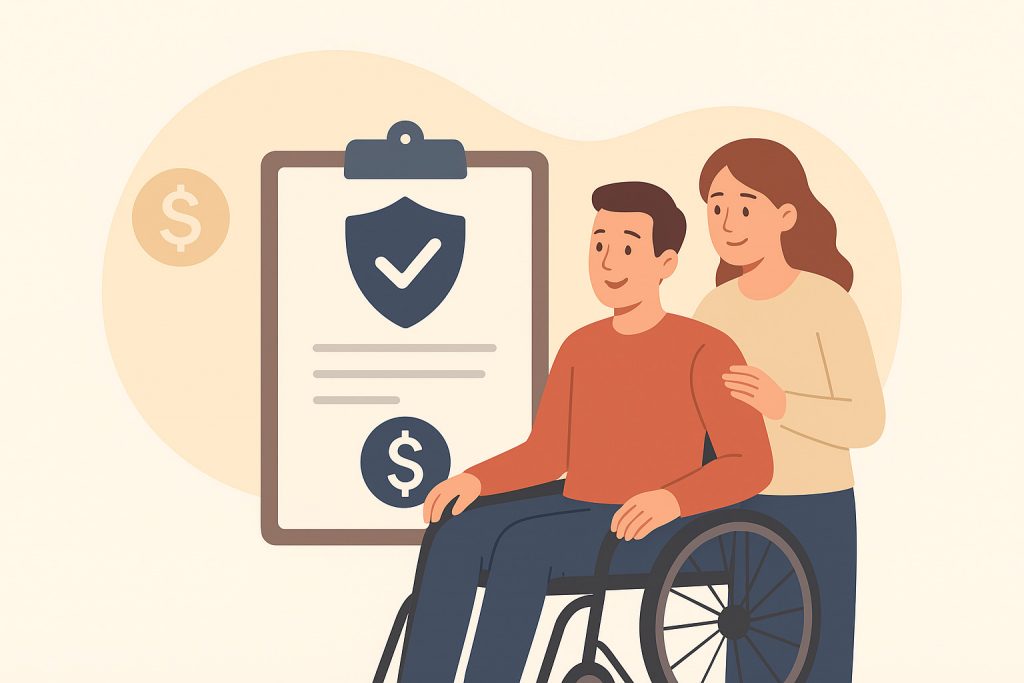
Why Disability Insurance Matters: Protecting Your Income

Why Disability Insurance Matters: Protecting Your Income

Most people insure their cars, homes, and health — but often forget to protect their most valuable asset: their ability to earn an income.
If an illness or injury suddenly prevents you from working, how long could you cover your bills, mortgage, or family expenses without a paycheck?

That’s where disability insurance comes in. It ensures you continue receiving income even if you can’t work, keeping your financial life on track when the unexpected happens.

This article explores the importance of disability insurance, how it works, what types exist, and how to choose the right policy for lasting financial protection.

What Is Disability Insurance?

Disability insurance is a type of coverage that replaces part of your income if you’re unable to work due to an injury or illness.
It acts as a financial safety net, ensuring you can still meet daily living expenses, pay off debts, and maintain your standard of living while you recover.

Unlike life insurance — which supports your loved ones after death — disability insurance supports you, during life, when your income stops.

Why Disability Insurance Is So Important

The need for disability insurance is often underestimated. However, statistics show that 1 in 4 workers will experience a disability before reaching retirement age.

Here’s why it matters:

  1. Your income drives everything.
    Your paycheck funds your home, car, food, insurance, and future savings. Losing it — even temporarily — can derail years of financial progress.
  2. Disabilities are more common than you think.
    Many disabilities aren’t caused by accidents but by medical conditions like back pain, heart disease, or cancer.
  3. Emergency savings aren’t enough.
    Even a six-month emergency fund might not cover a long recovery period. Disability insurance bridges that gap.
  4. It preserves your long-term goals.
    With income protection, you won’t have to deplete your retirement savings or sell investments to stay afloat.

In short: Disability insurance is income protection — not a luxury, but a necessity.

How Disability Insurance Works

Disability insurance replaces a percentage of your income — usually 60–80% — if you can’t work due to a covered medical condition.

There are two main types:

1. Short-Term Disability (STD) Insurance

  • Covers temporary disabilities lasting a few weeks to 6 months.
  • Often provided by employers.
  • Ideal for recovery from surgeries, minor injuries, or pregnancy complications.

2. Long-Term Disability (LTD) Insurance

  • Covers extended or permanent disabilities lasting years or until retirement.
  • Essential if you rely heavily on your income to support a family or pay off major debts.
  • Usually begins after short-term benefits end.

What Disability Insurance Covers

Policies vary, but generally, disability insurance covers:

  • Accidents and injuries (car crashes, workplace incidents, falls)
  • Chronic illnesses (cancer, diabetes, arthritis)
  • Mental health conditions (depression, anxiety-related disabilities)
  • Pregnancy-related complications (for short-term policies)

However, most policies exclude:

  • Self-inflicted injuries
  • Disabilities from illegal activities
  • Pre-existing conditions (depending on insurer)

Tip: Always read the exclusions carefully to avoid surprises when filing a claim.

Short-Term vs. Long-Term: Which Do You Need?

Both serve different purposes — and often complement each other.

FeatureShort-Term DisabilityLong-Term Disability
DurationUp to 6 monthsSeveral years to retirement age
Waiting Period0–14 days30–180 days
Coverage %50–70% of income60–80% of income
Best ForTemporary recoverySerious illness or injury
CostLower premiumsHigher but essential

Pro Tip: If you can’t afford both, prioritize long-term coverage — it’s the most critical for lasting protection.

Disability Insurance vs. Workers’ Compensation

Many assume workers’ comp is enough — but it only covers job-related injuries.
Disability insurance, on the other hand, covers any medical condition (work-related or not) that prevents you from working.

ScenarioWorkers’ CompDisability Insurance
Injured at work✅ Covered✅ Covered
Injured outside work❌ Not covered✅ Covered
Chronic illness❌ Not covered✅ Covered
Mental health conditionLimited✅ Often covered


The Cost of Disability Insurance

Premiums typically range from 1%–3% of your annual income, depending on:

  • Age and health status
  • Occupation risk level
  • Benefit amount and duration
  • Waiting period before benefits start

Example:
If you earn $60,000 a year, coverage might cost around $50–$150 per month — a small price to protect your entire income stream.

Who Needs Disability Insurance the Most?

While every income earner benefits, it’s particularly vital for:

  • Primary breadwinners supporting dependents
  • Freelancers or self-employed professionals (no employer benefits)
  • People with long-term financial obligations (mortgage, loans)
  • Physically demanding jobs (construction, healthcare, transport)

Key Features to Look for in a Disability Policy

When comparing policies, focus on:

  1. Own Occupation Definition:
    You receive benefits if you can’t perform your specific job, even if you can do another one.
  2. Non-Cancelable & Guaranteed Renewable:
    The insurer can’t cancel your policy or increase premiums as long as you pay.
  3. Residual Disability Benefits:
    Offers partial payments if you return to work at reduced capacity.
  4. Cost-of-Living Adjustments (COLA):
    Keeps your benefits aligned with inflation.
  5. Elimination (Waiting) Period:
    The time before benefits start — longer periods mean lower premiums.

Integrating Disability Insurance into Financial Planning

A strong financial plan isn’t just about saving and investing — it’s about protecting your ability to earn and save.

Here’s how to fit disability insurance into your overall strategy:

  1. Assess your income risks.
    Calculate how long you could manage without a paycheck.
  2. Coordinate with other coverage.
    Combine employer benefits with private policies for full protection.
  3. Reevaluate regularly.
    As your income or lifestyle changes, update your coverage.
  4. Work with a financial advisor.
    Ensure your insurance complements your retirement and investment goals.

Common Myths About Disability Insurance

MythReality
“It only covers workplace injuries.”False — it covers most medical conditions that prevent work.
“I’m young and healthy; I don’t need it.”Disabilities can strike anyone, anytime — early coverage means lower cost.
“My employer plan is enough.”Most group plans cover only 40–60% of income and end if you leave the job.
“It’s too expensive.”It typically costs less than your monthly phone or streaming bills.


Conclusion: Protect Your Paycheck, Protect Your Future

Disability insurance isn’t about expecting the worst — it’s about being prepared.
Your ability to earn is the foundation of your financial security. Without it, savings vanish, goals stall, and debt grows.

By understanding the importance of disability insurance and securing the right policy, you safeguard not just your income — but your independence, peace of mind, and future financial freedom.

FAQs About Disability Insurance Importance

What is disability insurance and why is it important?

It replaces lost income if you can’t work due to illness or injury, protecting your financial stability.

How much of my income will disability insurance replace?

Typically 60–80%, depending on the policy and insurer.

What’s the difference between short-term and long-term disability?

Short-term covers temporary conditions; long-term covers extended or permanent disabilities.

Who needs disability insurance the most?

Anyone who relies on their income to pay bills or support dependents.

Does health insurance cover disabilities?

No — health insurance covers medical costs, while disability insurance replaces lost income.

When should I buy disability insurance?

The sooner the better — younger, healthier applicants pay lower premiums.

Can self-employed people get disability insurance?

Yes, individual policies are ideal for freelancers or entrepreneurs.

Are disability benefits taxable?

If premiums are paid with after-tax dollars, benefits are generally tax-free.

How long do benefits last?

It depends on your policy — from a few months to until retirement age.

What’s an elimination period?

It’s the waiting period (usually 30–180 days) before benefits begin.

Can I have both employer and private disability insurance?

Yes, combining both gives better income replacement coverage.

Is disability insurance worth it if I have savings?

Absolutely — savings run out, but insurance ensures steady income for as long as you’re disabled.

The Role of Insurance in Financial Planning and Wealth Protection

The Role of Insurance in Financial Planning and Wealth Protection

When most people think about building wealth, they imagine investing, saving, or growing income streams. Yet, one of the most overlooked components of a successful financial plan is insurance.

Without proper protection, all your hard-earned savings and investments can vanish in an instant due to illness, accidents, or unforeseen disasters. That’s where insurance in financial planning plays a crucial role — serving as your financial safety net and wealth protection tool.

This article explores how various types of insurance fit into a comprehensive financial plan, what kinds of coverage you need at different life stages, and how to balance protection with cost.

Why Insurance Is a Core Pillar of Financial Planning

Financial planning is about more than accumulating assets — it’s about protecting them.

Insurance ensures that when unexpected events occur, you or your family won’t have to dip into savings, sell assets, or go into debt.

Key Roles of Insurance in Financial Planning:

  1. Income Protection: Replaces income if you can’t work due to illness or disability.
  2. Wealth Preservation: Prevents the need to liquidate investments or properties during crises.
  3. Debt Protection: Pays off mortgages or loans if the breadwinner passes away.
  4. Legacy Creation: Life insurance can serve as an inheritance tool for future generations.
  5. Peace of Mind: Knowing that your family and assets are protected allows you to focus on growing wealth confidently.

Types of Insurance Essential to Financial Planning

To build a comprehensive safety net, you need a mix of insurance types tailored to your needs, income, and stage in life.

1. Life Insurance: Securing Your Family’s Financial Future

Life insurance provides a payout to your dependents in the event of your death, ensuring they can maintain their lifestyle and meet ongoing expenses.

It’s essential for:

  • Breadwinners with dependents
  • Business owners with key-person risk
  • Anyone with long-term debt or a mortgage

Common Types of Life Insurance:

  • Term Life: Affordable coverage for a set period (10–30 years).
  • Whole Life / Universal Life: Permanent coverage that builds cash value over time.

Financial Tip: Choose coverage worth 10–15 times your annual income to fully protect your family.

2. Health Insurance: Safeguarding Against Medical Costs

Medical emergencies are unpredictable and can devastate savings. Health insurance shields you from high hospital and treatment expenses.

Why It Matters:

  • Prevents medical bills from derailing your financial plan.
  • Encourages preventive care and timely treatment.
  • Often includes coverage for dependents and maternity care.

Key Considerations:

  • Review network hospitals and claim processes.
  • Balance between premium affordability and coverage quality.

Pro Tip: Choose comprehensive coverage that includes critical illnesses and outpatient care when possible.

3. Disability Insurance: Protecting Your Earning Power

Your ability to earn is your greatest asset. Disability insurance ensures income replacement if you can’t work due to injury or illness.

Short-term coverage may last several months, while long-term coverage can extend for years or until retirement.

Why It’s Crucial:
Without this protection, even a few months of lost income can force you to deplete savings or fall into debt.

4. Property and Home Insurance: Safeguarding Physical Assets

If you own a home or valuable property, property insurance is non-negotiable. It covers loss or damage due to fire, theft, or natural disasters.

Homeowner’s Insurance also protects against liability if someone is injured on your property.

Pro Tip: Review your policy limits annually to ensure rebuilding costs are adequately covered as property values rise.

5. Auto Insurance: Financial Protection on the Road

Auto insurance isn’t just a legal requirement in most countries — it’s a key part of your personal risk management plan.

Coverage includes:

  • Liability insurance: Covers injury or property damage to others.
  • Collision insurance: Covers your own vehicle in accidents.
  • Comprehensive insurance: Covers theft, fire, or natural disasters.

6. Liability Insurance: Guarding Against Legal and Financial Risks

If you’re a business owner, landlord, or professional, liability insurance protects your assets from lawsuits and claims.

Types Include:

  • Professional indemnity insurance (for professionals)
  • Public liability insurance (for businesses)
  • Umbrella coverage (additional protection for high-net-worth individuals)

7. Long-Term Care Insurance: Planning for Aging Gracefully

As healthcare advances, people are living longer — but long-term care can be expensive.

Long-term care insurance covers services like nursing homes, assisted living, or home-based care for chronic conditions.

Pro Tip: Consider buying coverage in your 40s or 50s, when premiums are lower and eligibility easier.

How Insurance Complements Wealth Building

Insurance and investing are two sides of the same coin — one protects, the other grows wealth.

How Insurance Supports Financial Growth:

  • Prevents premature withdrawals from investments during emergencies.
  • Ensures long-term financial goals stay intact even if income stops.
  • Certain insurance types (like whole life or universal life) can double as tax-efficient investment tools.

Example:
A life insurance policy with investment-linked benefits can accumulate savings while providing protection.

Insurance at Different Life Stages

Your insurance needs change as your life evolves. Here’s how to align coverage with your stage:

Life StagePrimary NeedsRecommended Insurance Types
Early Career (20s–30s)Income protection, basic health coverTerm life, health, disability
Mid-Career (30s–40s)Family protection, mortgage coverageLife, health, home, auto
Established (40s–50s)Asset protection, retirement prepLife, long-term care, liability
Retirement (60+)Estate planning, wealth transferHealth, long-term care, life for legacy


Balancing Coverage and Cost

Insurance is protection, not profit — but overspending on premiums can hurt your financial plan.

Tips to Keep Costs in Check:

  1. Compare quotes across multiple insurers.
  2. Choose higher deductibles for lower premiums.
  3. Review policies annually to eliminate unnecessary riders.
  4. Combine policies (multi-policy discounts).
  5. Maintain a healthy lifestyle to reduce health and life insurance premiums.

How to Integrate Insurance into a Financial Plan

A well-structured insurance financial planning strategy involves coordination among all your financial elements.

Step-by-Step Integration:

  1. Assess Risks: Identify what could disrupt your income or assets.
  2. Prioritize Protection: Cover essential risks first (life, health, income).
  3. Match Coverage to Goals: Align insurance with short- and long-term objectives.
  4. Review Annually: Adjust coverage as your wealth grows or family expands.
  5. Work with Advisors: A financial planner can optimize your portfolio for tax efficiency and protection balance.

Conclusion: Protect First, Grow Second

True financial freedom isn’t just about building wealth — it’s about preserving it.
By integrating insurance into your financial planning, you shield yourself and your family from life’s uncertainties while keeping your long-term goals on track.

Remember: investments build wealth, but insurance preserves it. Prioritize protection today to secure peace of mind and lasting prosperity.

FAQs About Insurance Financial Planning

What is the role of insurance in financial planning?

It protects your assets and income, ensuring you stay financially secure despite unexpected events.

How much insurance coverage do I really need?

It depends on your income, debts, dependents, and financial goals — a planner can help assess your needs.

Is life insurance an investment or protection?

Primarily protection, though some types (like whole life) also accumulate cash value as an investment component.

Can insurance help in tax planning?

Yes, many policies offer tax deductions or exemptions on premiums and payouts, depending on local laws.

How often should I review my insurance portfolio?

At least once a year, or after major life changes such as marriage, new dependents, or property purchases.

What happens if I have overlapping insurance policies?

It can lead to unnecessary costs — consolidate or streamline coverage for efficiency.

How does insurance protect my investments?

It prevents you from liquidating investments during emergencies, preserving long-term growth potential.

Do single individuals need insurance?

Yes — health, disability, and personal liability insurance are still crucial for income protection.

What is underinsurance, and why is it risky?

Underinsurance means insufficient coverage to meet expenses, forcing you to use savings or debt during crises.

 Can business owners include insurance in financial planning?

Absolutely — key-person insurance and liability coverage protect both owners and employees.

What’s the difference between insurance and an emergency fund?

Insurance covers major unpredictable events; an emergency fund handles short-term or minor expenses.

How can I choose the best insurance provider?

Compare financial stability, claim settlement ratio, customer reviews, and product transparency.

How to Calculate the Right Amount of Life Insurance Coverage

How to Calculate the Right Amount of Life Insurance Coverage

Choosing the right life insurance coverage amount is one of the most important financial decisions you’ll ever make. Too little coverage could leave your family struggling financially, while too much could mean overpaying for premiums that don’t add value.

The goal is simple: find a coverage amount that replaces your income, clears debts, and secures your loved ones’ future — all within your budget.

In this guide, we’ll walk you through the step-by-step process of determining how much life insurance you really need, including practical formulas, expert advice, and real-world examples.

Why Getting the Right Coverage Amount Matters

Life insurance is more than just a policy — it’s your family’s financial safety net.

When you pass away, your policy payout (death benefit) can:

  • Replace your income for dependents
  • Pay off mortgages and debts
  • Cover children’s education
  • Handle daily living costs
  • Fund retirement or long-term savings for your spouse

If you underestimate your needs, your loved ones could struggle to maintain their standard of living. On the other hand, overestimating might mean unnecessarily high premiums.

Step 1: Assess Your Financial Responsibilities

Start by listing all your financial obligations that your family would still need to cover if you weren’t around:

  • Outstanding debts: Mortgage, car loans, student loans, credit cards
  • Daily expenses: Food, utilities, childcare, transportation
  • Future goals: Children’s education, marriage, or long-term care for dependents
  • Final expenses: Funeral and estate settlement costs

Pro Tip: A comprehensive list helps you visualize your family’s full financial picture — beyond just monthly bills.

Step 2: Estimate Your Family’s Ongoing Living Expenses

A common mistake is only accounting for big debts and ignoring the cost of living.

To calculate ongoing needs:

  1. Multiply your annual living expenses by the number of years your dependents will rely on your income.
  2. Add inflation to ensure the value remains realistic in the future.

Example:
If your family spends $40,000 per year and you want to provide for 15 years:
→ $40,000 × 15 = $600,000 in income replacement

With an estimated 2% annual inflation, the adjusted total is about $700,000.

Step 3: Factor In Outstanding Debts and Liabilities

Next, include all debts you’d like cleared upon your death:

  • Mortgage balance
  • Car or student loans
  • Credit card debt
  • Personal loans

This ensures your loved ones don’t inherit financial burdens.

Example:
Mortgage: $250,000
Car loan: $20,000
Credit cards: $10,000
→ Add $280,000 to your needed coverage.

Step 4: Include Future Goals (Education, Retirement, etc.)

If you have children or dependents, future goals should be part of your life insurance coverage amount:

  • College fund: Estimate tuition and living expenses for each child.
  • Retirement income: Support for a surviving spouse.
  • Elderly care: Assistance for aging parents or relatives.

Example:
Two children, each needing $50,000 for education → $100,000 total.

Step 5: Subtract Existing Assets and Savings

You may already have assets that can offset some insurance needs, such as:

  • Savings accounts
  • Investments or mutual funds
  • Real estate equity
  • Employer life insurance or pension benefits

Subtract the total of these assets from your required coverage.

Example:
Total need: $1,000,000
Existing assets: $250,000
→ Coverage required = $750,000

Step 6: Apply the Life Insurance Formula

You can use a simple formula to estimate your total coverage:

Life Insurance Coverage Amount = (Annual Income × Years Needed) + Debts + Future Goals – Existing Assets

Example:
($60,000 × 15 years) + $280,000 (debts) + $100,000 (goals) – $250,000 (assets)
= $1,030,000 coverage recommended

Rule of Thumb:
A common shortcut is to aim for 10–15 times your annual income, but a detailed calculation gives a more accurate result.

Step 7: Adjust for Inflation and Changing Needs

Inflation reduces purchasing power over time. When calculating your life insurance needs, include an annual inflation factor of 2–3%.

Also, review your policy every few years — especially after life changes such as:

  • Marriage or divorce
  • Birth of a child
  • Buying a new home
  • Career changes or business expansion

Your insurance coverage should grow as your responsibilities do.

Step 8: Consider Temporary vs. Permanent Coverage

Term Life Insurance

  • Coverage for a specific period (10, 20, or 30 years)
  • Affordable premiums
  • Ideal for temporary needs like income replacement or mortgage protection

Whole or Universal Life Insurance

  • Lifetime coverage with cash value
  • Higher premiums
  • Useful for estate planning or lifelong dependents

Pro Tip:
Many families combine both — using term insurance for short-term obligations and permanent insurance for legacy or estate goals.

Step 9: Reassess Periodically

Financial situations evolve. Review your life insurance coverage amount every 2–3 years, or whenever major changes occur in your life.

Keep your coverage relevant to your current lifestyle and responsibilities.

Example: A Family Case Study

Situation:

  • Annual income: $75,000
  • Mortgage: $250,000
  • Other debts: $25,000
  • Children’s education: $80,000
  • Savings: $100,000

Calculation:
($75,000 × 15 years) + $275,000 + $80,000 – $100,000 = $1,385,000 coverage

This means a $1.4 million policy would adequately protect the family.

Conclusion: Secure the Future You Want

Calculating your life insurance coverage amount isn’t about guessing a number — it’s about designing financial security for those you love.

By accounting for income replacement, debts, future goals, and assets, you’ll arrive at a coverage amount that truly protects your family’s lifestyle and peace of mind.

Final Tip: Review your coverage regularly and adjust it as your family’s needs evolve — because financial protection is a living plan, not a one-time decision.

FAQs About Life Insurance Coverage Amount

How do I know if I have enough life insurance coverage?

Compare your coverage to your family’s total financial needs and future goals. If it’s less, consider increasing your policy.

What’s the most common mistake when calculating life insurance coverage?

Relying solely on “10x your salary” without considering debts, inflation, or family goals.

Should I include inflation in my life insurance estimate?

Yes. Inflation can erode value over time, so adjust your calculation by 2–3% annually.

Does my mortgage affect how much coverage I need?

Absolutely. Your policy should cover any outstanding mortgage to prevent burdening your family.

What’s the difference between income replacement and total coverage?

Income replacement focuses only on earnings, while total coverage includes debts and future expenses.

Should stay-at-home parents have life insurance?

Yes — they provide valuable household and childcare services that would cost money to replace.

How often should I review my coverage?

Every 2–3 years, or after major life events like marriage, a new child, or buying a home.

Can I change my life insurance coverage later?

Yes, many insurers allow policy upgrades or additional coverage through riders or renewals.

Does employer-provided insurance count toward my total coverage?

Yes, but it’s often limited. Use it as a supplement, not your primary coverage.

How much does $1 million in life insurance cost?

It depends on your age, health, and policy type — term life is cheaper than whole life.

Should I buy one large policy or multiple smaller ones?

A mix can be effective — for example, term for temporary needs and whole life for long-term security.

What if I can’t afford the ideal coverage amount now?

Start smaller and increase your coverage later. Having some protection is better than none.

How to Choose the Best Health Insurance Plan for Your Family

How to Choose the Best Health Insurance Plan for Your Family

Finding the best family health insurance plan is one of the most important financial decisions you’ll ever make. A good plan not only protects you from unexpected medical expenses but also ensures your loved ones receive quality healthcare when needed.

However, with so many providers, policy types, and coverage options available, choosing the right plan can feel overwhelming. This guide simplifies the process, walking you through how to evaluate health insurance options, understand the key terms, and select a policy that truly fits your family’s needs and budget.

Why Family Health Insurance Matters

Family health insurance provides comprehensive coverage for every member under one plan, which can save time, money, and administrative hassle. Instead of managing multiple individual policies, you can handle everything from preventive care to hospital stays under a single family policy.

Key Benefits Include:

  • Financial protection from rising healthcare costs
  • Access to better medical care and hospital networks
  • Tax benefits (in many countries) for paying health insurance premiums
  • Peace of mind knowing your family’s health is covered

Steps to Choose the Best Family Health Insurance Plan

1. Assess Your Family’s Healthcare Needs

Start by reviewing your family’s medical history and current needs.
Ask yourself:

  • How often does each family member need medical attention?
  • Are there any chronic conditions or special requirements (e.g., maternity care, pediatric services)?
  • Do you prefer certain hospitals or doctors?

Pro Tip: List down expected medical expenses for the year to estimate the coverage you’ll need.

2. Understand the Types of Health Insurance Plans

Different types of plans come with varying flexibility, coverage, and costs. Here’s a breakdown:

Plan TypeDescriptionBest For
HMO (Health Maintenance Organization)Requires using in-network providers and referrals for specialistsFamilies wanting lower premiums
PPO (Preferred Provider Organization)Offers flexibility to visit out-of-network providersFamilies wanting freedom in provider choice
EPO (Exclusive Provider Organization)Covers only in-network care (no referrals needed)Families with preferred hospitals or clinics
POS (Point of Service)Mix of HMO and PPO benefitsFamilies who want balance between flexibility and cost

Choose the type that fits your family’s lifestyle and preferred healthcare access.

3. Compare Coverage Options Carefully

Look at what’s included in the plan. The best family health insurance plan typically covers:

  • Hospitalization (inpatient care)
  • Outpatient visits
  • Maternity and newborn care
  • Pediatric services
  • Emergency services
  • Prescription drugs
  • Preventive care and vaccinations

Pro Tip: Check if dental, vision, or mental health care are included or available as add-ons.

4. Evaluate the Network of Doctors and Hospitals

A plan is only as good as the network it offers.
Ensure your family’s preferred doctors and hospitals are included in-network — going out-of-network can significantly increase your out-of-pocket costs.

Tip: Look for plans that cover reputable hospitals in your area and nationwide access if you travel frequently.

5. Compare Premiums, Deductibles, and Copayments

These three cost elements determine how much you’ll pay:

  • Premium: What you pay monthly for coverage.
  • Deductible: What you must pay out-of-pocket before insurance kicks in.
  • Copay/Coinsurance: Your share of costs during medical services.

Rule of Thumb: A low-premium plan often means a higher deductible. Balance both according to your family’s financial comfort and expected healthcare usage.

6. Check the Plan’s Out-of-Pocket Maximum

This is the maximum you’ll pay in a year for covered services.
After reaching this limit, your insurance covers 100% of eligible expenses.
Choosing a plan with a reasonable out-of-pocket maximum helps protect your family from major medical costs.

7. Consider Additional Benefits and Wellness Programs

Some plans offer extra perks such as:

  • Free annual checkups
  • Telemedicine services
  • Gym or wellness discounts
  • Health tracking apps or maternity care support

These benefits can enhance your family’s overall well-being and save money long-term.

8. Review the Insurer’s Reputation

Research the insurer’s claim settlement ratio, customer reviews, and service quality.
A reliable provider ensures smooth claim processing and transparent communication during medical emergencies.

Pro Tip: Look for insurers with 24/7 support and digital claim tracking for convenience.

9. Don’t Forget About Portability and Renewability

Choose a plan that offers lifetime renewability and portability, allowing you to switch insurers without losing benefits.
This ensures long-term coverage security even if your financial or professional situation changes.

10. Seek Professional Advice if Needed

If comparing multiple plans feels confusing, consult a licensed insurance advisor or financial planner.
They can analyze your family’s needs and recommend the most suitable plan with optimal benefits and costs.

Common Mistakes to Avoid

  • Choosing a plan based only on low premiums
  • Ignoring network limitations
  • Not checking maternity or child coverage
  • Overlooking policy exclusions
  • Skipping the fine print

Being thorough upfront prevents unpleasant surprises later.

Conclusion: Plan Today, Protect Tomorrow

The best family health insurance plan offers the perfect blend of affordability, comprehensive coverage, and trusted provider networks.
When chosen wisely, it ensures your loved ones receive top-quality healthcare without financial strain.

Take your time to compare, read, and understand — because a well-chosen plan today secures your family’s health, happiness, and financial stability for years to come.

FAQs About the Best Family Health Insurance Plan

What makes a plan the best family health insurance plan?

It balances cost, coverage, network access, and customer service to meet your family’s medical needs.

How do I calculate how much coverage my family needs?

Add up expected medical costs and include emergency and maternity coverage buffers.

Is it better to get a family plan or individual plans?

A family plan is often cheaper and easier to manage than separate individual policies.

How can I find the most affordable family health insurance?

Compare premiums, deductibles, and benefits from multiple providers or through an online marketplace.

What’s the difference between HMO and PPO for families?

HMO has lower costs but less flexibility, while PPO offers more freedom at a higher premium.

Can I add new family members later?

Yes, most plans allow adding newborns, spouses, or dependents during specific periods.

Are pre-existing conditions covered?

Many modern plans cover pre-existing conditions, but always confirm before purchase.

What if my preferred hospital isn’t in-network?

Out-of-network care is often more expensive; consider a PPO or wider network plan.

How does a deductible affect family coverage?

You’ll pay out-of-pocket until the family deductible is met, then insurance covers expenses.

Do family plans cover dental and vision care?

Some do; others offer it as an add-on. Always check policy inclusions.

How can I claim reimbursement?

Submit hospital bills and receipts via the insurer’s online portal or claim office.

How often should I review my family’s plan?

Annually — update coverage as your family grows or health needs change.

Як відповідально користуватися кредитною карткою: 10 порад експертів

How to Use a Credit Card Responsibly: 10 Expert Tips

Кредитні картки можуть бути потужними фінансовими інструментами, але лише за умови розумного використання. Відповідальне використання кредитних карток допомагає вам створити сильний кредитний рейтинг, керувати грошовими потоками та навіть отримувати цінні винагороди. Однак неправильне використання кредитних карток може призвести до боргів з високими відсотками та довгострокових фінансових труднощів.

У цьому посібнику пояснюється, як відповідально поводитися з кредитними картками, уникати поширених помилок і формувати звички, що підтримують фінансову стабільність і впевненість.

Чому важливо відповідальне використання кредитних карток

При правильному використанні кредитні картки можуть:

  • Створіть та зміцніть свою кредитну історію
  • Забезпечте захист від шахрайства та безпеку
  • Надайте кешбек, винагороди за подорожі та бонуси
  • Допоможіть керувати короткостроковими витратами без готівки

Але неправильне використання, таке як перевитрата коштів або пропуск платежів, може швидко призвести до боргу, який важко погасити.
Відповідальне використання кредитної картки гарантує, що вона працюватиме на вас, а не проти вас.

10 порад експертів щодо відповідального використання кредитних карток

1. Завжди сплачуйте залишок повністю

Повна щомісячна оплата балансу – це золоте правило кредитних карток.
Чому це важливо:

  • Уникає нарахування відсотків (часто 15–25% річних)
  • Зберігає низький рівень використання кредиту
  • Показує кредиторам, що ви відповідально керуєте боргами

Порада професіонала: Автоматизуйте свої платежі, щоб ніколи не пропускати термін їх оплати.

2. Ніколи не пропускайте платежі

Історія ваших платежів становить 35% вашого кредитного рейтингу .
Навіть один прострочений платіж може зіпсувати вашу кредитну історію на роки.
Якщо ви не можете сплатити повністю, завжди вносьте принаймні мінімальний платіж до дати платежу.

Порада: Встановіть нагадування в календарі або увімкніть текстові сповіщення, щоб не збитися з розкладу.

3. Тримайте рівень використання кредиту нижче 30%

Використання кредиту — скільки з вашого доступного кредиту ви використовуєте — відіграє величезну роль у вашому рейтингу.
Наприклад: якщо ваш кредитний ліміт становить 10 000 доларів США, тримайте баланс нижче 3000 доларів США. Для досягнення оптимальних результатів
експерти радять прагнути до використання 10–20% .

Порада професіонала: здійснюйте кілька менших платежів протягом місяця, щоб зменшити залишки у звітності.

4. Створіть бюджет для витрат на кредитні картки

Ваша картка — це не безкоштовні гроші, це платіжний інструмент . Ставтеся до неї як до готівки, плануючи свої витрати, перш ніж проводити картку.
Це допоможе уникнути імпульсивних покупок і гарантує, що ви зможете вчасно сплатити рахунок.

Спробуйте ось що: пов’яжіть категорії витрат за карткою (наприклад, продукти, бензин, харчування) зі своїм щомісячним бюджетом.

5. Зрозумійте умови та комісії вашої картки

Завжди переглядайте умови та положення , особливо процентні ставки, пені за прострочення платежу та щорічні платежі.
Деякі картки мають такі переваги, як захист покупок або розширені гарантії, але також вищі комісії.
Знання цих деталей допоможе вам уникнути несподіванок та ефективно використовувати переваги.

6. Використовуйте винагороди стратегічно

Багато кредитних карток пропонують кешбек, бали або милі , але ці винагороди мають значення лише за умови, що у вас немає боргів.
Заробляйте винагороди в межах свого бюджету , а не як привід для перевитрат.
Використовуйте винагороди з розумом — наприклад, кешбек або використання подорожей часто є найкращим вибором.

Tip: Combine rewards cards with a strong payment routine for maximum benefit.

7. Check Your Statements Regularly

Review your monthly statements to:

  • Catch fraudulent charges early
  • Track spending patterns
  • Ensure all payments are posted correctly

If you spot suspicious activity, report it immediately — most issuers offer zero-liability protection.

8. Limit New Credit Applications

Each new application triggers a hard inquiry, which can slightly lower your credit score.
Opening too many cards too quickly also makes managing payments harder.

Rule of thumb: Apply for new cards only when they offer genuine long-term value.

9. Don’t Close Your Old Credit Cards Unnecessarily

Older cards contribute to your credit history length, an important factor in your credit score.
Unless they carry high fees, keep older accounts open to maintain your score.

Tip: Use older cards occasionally for small purchases to keep them active.

10. Use Credit as a Financial Tool, Not a Crutch

Responsible credit card use means treating credit as a convenience, not extra income.
Always spend within your means and pay off your balance promptly.
By maintaining discipline, your card becomes a pathway to financial freedom — not debt.

Long-Term Benefits of Responsible Credit Card Use

Practicing discipline and awareness leads to:

  • Higher credit scores → better loan terms and interest rates
  • Lower financial stress → less worry about bills and penalties
  • Access to better credit products → premium cards and travel perks
  • Stronger financial habits → that carry over to other areas of money management

Over time, responsible credit card use can even help you qualify for mortgages, auto loans, and business financing with favorable terms.

Conclusion: Build a Credit Legacy, Not a Credit Burden

A credit card is a financial instrument — one that can empower or endanger you depending on how it’s managed.
By following these 10 expert tips for responsible credit card use, you can build strong financial habits, enjoy rewards, and keep your credit score healthy.

Remember: the goal isn’t just to use credit — it’s to use it wisely so it works for your long-term financial success.

FAQs About Responsible Credit Card Use

What is responsible credit card use?

It means paying bills on time, keeping balances low, and using credit for planned purchases within your budget.

How many credit cards should I have?

Start with one or two until you’re confident managing payments. Having multiple cards is fine if you can handle them responsibly.

Does paying only the minimum hurt my score?

No, but it keeps you in debt longer and increases interest charges — pay in full when possible.

How can I avoid credit card debt?

Only charge what you can pay off monthly and track spending closely.

Is it bad to pay off a credit card early?

No — early payments help lower your utilization and improve your score.

Can I improve my credit score with one card?

Yes. Consistent on-time payments and low balances are enough to build credit.

Should I close cards I don’t use?

Only if they charge high fees. Otherwise, keep them open to maintain a longer credit history.

What’s a good utilization ratio?

Below 30%, ideally 10% or less for top credit scores.

How often should I check my statement?

At least monthly — weekly if you use your card frequently.

Are reward cards good for beginners?

Yes, if you understand the terms and can pay balances in full.

Can credit cards help in emergencies?

Yes, but use them as a last resort and pay off balances quickly afterward.

What’s the biggest mistake with credit cards?

Overspending — treating your credit limit as available cash instead of a borrowing cap.

Hur man använder ett kreditkort ansvarsfullt: 10 experttips

Hur man använder ett kreditkort ansvarsfullt: 10 experttips

Kreditkort kan vara kraftfulla finansiella verktyg – men bara när de används klokt. Att använda kreditkort på ett ansvarsfullt sätt hjälper dig att bygga upp en stark kreditvärdighet, hantera kassaflödet och till och med tjäna värdefulla belöningar. Missbrukade kreditkort kan dock leda till högränteskuld och långsiktig ekonomisk stress.

Den här guiden förklarar hur man hanterar kreditkort ansvarsfullt, undviker vanliga misstag och bygger upp vanor som stöder ekonomisk stabilitet och självförtroende.

Varför ansvarsfull kreditkortsanvändning är viktig

När kreditkort används på rätt sätt kan de:

  • Bygg upp och stärk din kredithistorik
  • Erbjud skydd mot bedrägerier och säkerhet
  • Erbjud cashback, resebelöningar och förmåner
  • Hjälp till att hantera kortsiktiga utgifter utan att ha kontanter med dig

Men missbruk – som att spendera för mycket eller hoppa över betalningar – kan snabbt leda till skulder som är svåra att betala tillbaka. Att använda kreditkort ansvarsfullt
säkerställer att ditt kort arbetar för dig, inte emot dig.

10 experttips för ansvarsfull kreditkortsanvändning

1. Betala alltid hela ditt saldo

Att betala hela saldot varje månad är den gyllene regeln för kreditkort.
Varför det är viktigt:

  • Undviker räntekostnader (ofta 15–25 % effektiv ränta)
  • Håller din kreditanvändning låg
  • Visar långivare att du hanterar skulder ansvarsfullt

Proffstips: Automatisera dina betalningar för att aldrig missa ett förfallodatum.

2. Missa aldrig en betalning

Din betalningshistorik utgör 35 % av din kreditvärdighet .
Även en enda sen betalning kan skada din kreditvärdighet i åratal.
Om du inte kan betala hela beloppet, gör alltid minst minimibetalningen före förfallodagen.

Tips: Ställ in kalenderpåminnelser eller aktivera textaviseringar för att hålla dig uppdaterad.

3. Håll din kreditutnyttjandegrad under 30 %

Kreditutnyttjande – hur mycket av din tillgängliga kredit du använder – spelar en stor roll för din kreditpoäng.
Exempel: Om din kreditgräns är 10 000 dollar, håll ditt saldo under 3 000 dollar.
Experter rekommenderar att sikta på 10–20 % utnyttjande för optimala resultat.

Proffstips: Gör flera mindre betalningar under månaden för att sänka rapporterade saldon.

4. Skapa en budget för kreditkortsutgifter

Ditt kort är inte gratis pengar – det är ett betalningsmedel . Behandla det som kontanter genom att budgetera dina utgifter innan du använder det.
Detta hjälper till att undvika impulsiva köp och säkerställer att du kan betala din räkning i tid.

Prova detta: Koppla dina kortutgiftskategorier (som mat, bensin, restauranger) till din månadsbudget.

5. Förstå ditt korts villkor och avgifter

Granska alltid villkoren – särskilt räntor, förseningsavgifter och årsavgifter.
Vissa kort har förmåner som köpskydd eller förlängda garantier, men även högre avgifter.
Att känna till dessa detaljer hjälper dig att undvika överraskningar och använda förmånerna effektivt.

6. Använd belöningar strategiskt

Många kreditkort erbjuder cashback, poäng eller miles , men dessa belöningar spelar bara roll om du är skuldfri.
Tjäna belöningar inom din budget , inte som en ursäkt för att spendera för mycket.
Lös in belöningar klokt – till exempel ger cashback eller reseintlösen ofta bäst valuta för pengarna.

Tips: Kombinera bonuskort med en stark betalningsrutin för maximal nytta.

7. Kontrollera dina kontoutdrag regelbundet

Granska dina månadsutdrag för att:

  • Upptäck bedrägliga anklagelser tidigt
  • Spåra utgiftsmönster
  • Se till att alla betalningar bokförs korrekt

Om du upptäcker misstänkt aktivitet, rapportera det omedelbart – de flesta utgivare erbjuder nollförsäkringsansvar .

8. Begränsa nya kreditansökningar

Varje ny ansökan utlöser en hård förfrågan , vilket kan sänka din kreditvärdighet något.
Att öppna för många kort för snabbt gör det också svårare att hantera betalningar.

Tumregel: Ansök endast om nya kort när de erbjuder ett genuint långsiktigt värde.

9. Stäng inte dina gamla kreditkort i onödan

Äldre kort bidrar till din kredithistorik , vilket är en viktig faktor för din kreditvärdighet.
Om de inte har höga avgifter, håll äldre konton öppna för att bibehålla din poäng.

Tips: Använd äldre kort då och då för småköp för att hålla dem aktiva.

10. Använd kredit som ett finansiellt verktyg, inte en krycka

Ansvarsfull kreditkortsanvändning innebär att behandla kredit som en bekvämlighet, inte en extra inkomst .
Spendera alltid inom dina tillgångar och betala av ditt saldo snabbt.
Genom att upprätthålla disciplin blir ditt kort en väg till ekonomisk frihet – inte skuld.

Långsiktiga fördelar med ansvarsfull kreditkortsanvändning

Att utöva disciplin och medvetenhet leder till:

  • Högre kreditvärdighet → bättre lånevillkor och räntor
  • Mindre ekonomisk stress → mindre oro för räkningar och avgifter
  • Tillgång till bättre kreditprodukter → premiumkort och reseförmåner
  • Starkare ekonomiska vanor → som överförs till andra områden inom penninghantering

Med tiden kan ansvarsfull kreditkortsanvändning till och med hjälpa dig att kvalificera dig för bolån, billån och företagsfinansiering med gynnsamma villkor.

Slutsats: Bygg ett kreditarv, inte en kreditbörda

Ett kreditkort är ett finansiellt instrument – ​​ett som kan stärka dig eller äventyra dig beroende på hur det hanteras.
Genom att följa dessa 10 experttips för ansvarsfull kreditkortsanvändning kan du bygga starka ekonomiska vanor, få belöningar och hålla din kreditvärdighet hälsosam.

Kom ihåg: målet är inte bara att använda kredit – det är att använda den klokt så att den gynnar din långsiktiga ekonomiska framgång.

Vanliga frågor om ansvarsfull kreditkortsanvändning

Vad är ansvarsfull kreditkortsanvändning?

Det innebär att betala räkningar i tid, hålla saldona låga och använda kredit för planerade inköp inom din budget.

Hur många kreditkort bör jag ha?

Börja med ett eller två tills du är säker på att hantera betalningar. Det går bra att ha flera kort om du kan hantera dem ansvarsfullt.

Påverkar det min poäng att bara betala minimumbeloppet?

Nej, men det håller dig i skuld längre och ökar räntekostnaderna – betala hela beloppet när det är möjligt.

Hur kan jag undvika kreditkortsskulder?

Ta bara ut det du kan betala av varje månad och följ noga upp utgifterna.

Är det dåligt att betala av ett kreditkort i förtid?

Nej – tidiga betalningar hjälper till att minska din utnyttjandegrad och förbättra din poäng.

Kan jag förbättra min kreditvärdighet med ett enda kort?

Ja. Regelbundna betalningar i tid och låga saldon är tillräckligt för att bygga upp kreditvärdighet.

Ska jag stänga kort jag inte använder?

Endast om de tar ut höga avgifter. Annars, håll dem öppna för att upprätthålla en längre kredithistorik.

Vad är en bra utnyttjandegrad?

Under 30 %, helst 10 % eller mindre för högsta kreditvärdighet.

Hur ofta ska jag kontrollera mitt utdrag?

Minst varje månad – varje vecka om du använder ditt kort ofta.

Är belöningskort bra för nybörjare?

Ja, om du förstår villkoren och kan betala hela beloppet.

Kan kreditkort hjälpa i nödsituationer?

Ja, men använd dem som en sista utväg och betala av saldon snabbt efteråt.

Vad är det största misstaget med kreditkort?

Överutgifter – att behandla din kreditgräns som tillgängliga kontanter istället för ett lånetak.

How to Use a Credit Card Responsibly: 10 Expert Tips

How to Use a Credit Card Responsibly: 10 Expert Tips

Credit cards can be powerful financial tools — but only when used wisely. Practicing responsible credit card use helps you build a strong credit score, manage cash flow, and even earn valuable rewards. Misused, however, credit cards can lead to high-interest debt and long-term financial stress.

This guide explains how to handle credit cards responsibly, avoid common mistakes, and build habits that support financial stability and confidence.

Why Responsible Credit Card Use Matters

When used properly, credit cards can:

  • Build and strengthen your credit history
  • Offer fraud protection and security
  • Provide cashback, travel rewards, and perks
  • Help manage short-term expenses without carrying cash

But misuse — such as overspending or skipping payments — can quickly result in debt that’s hard to repay.
Practicing responsible credit card use ensures that your card works for you, not against you.

10 Expert Tips for Responsible Credit Card Use

1. Always Pay Your Balance in Full

Paying your balance in full each month is the golden rule of credit cards.
Why it matters:

  • Avoids interest charges (often 15–25% APR)
  • Keeps your credit utilization low
  • Shows lenders you manage debt responsibly

Pro Tip: Automate your payments to never miss a due date.

2. Never Miss a Payment

Your payment history makes up 35% of your credit score.
Even one late payment can damage your credit for years.
If you can’t pay in full, always make at least the minimum payment before the due date.

Tip: Set calendar reminders or enable text alerts to stay on track.

3. Keep Your Credit Utilization Below 30%

Credit utilization — how much of your available credit you’re using — plays a huge role in your score.
Example: If your credit limit is $10,000, keep your balance below $3,000.
Experts suggest aiming for 10–20% utilization for optimal results.

Pro Tip: Make multiple smaller payments throughout the month to lower reported balances.

4. Create a Budget for Credit Card Spending

Your card isn’t free money — it’s a payment tool. Treat it like cash by budgeting your spending before swiping.
This helps avoid impulsive purchases and ensures you can pay your bill on time.

Try this: Link your card spending categories (like groceries, gas, dining) to your monthly budget.

5. Understand Your Card’s Terms and Fees

Always review the terms and conditions — especially interest rates, late fees, and annual charges.
Some cards have perks like purchase protection or extended warranties, but also higher fees.
Knowing these details helps you avoid surprises and use benefits effectively.

6. Use Rewards Strategically

Many credit cards offer cashback, points, or miles, but these rewards only matter if you’re debt-free.
Earn rewards within your budget, not as an excuse to overspend.
Redeem rewards wisely — for example, cashback or travel redemptions often give the best value.

Tip: Combine rewards cards with a strong payment routine for maximum benefit.

7. Check Your Statements Regularly

Review your monthly statements to:

  • Catch fraudulent charges early
  • Track spending patterns
  • Ensure all payments are posted correctly

If you spot suspicious activity, report it immediately — most issuers offer zero-liability protection.

8. Limit New Credit Applications

Each new application triggers a hard inquiry, which can slightly lower your credit score.
Opening too many cards too quickly also makes managing payments harder.

Rule of thumb: Apply for new cards only when they offer genuine long-term value.

9. Don’t Close Your Old Credit Cards Unnecessarily

Older cards contribute to your credit history length, an important factor in your credit score.
Unless they carry high fees, keep older accounts open to maintain your score.

Tip: Use older cards occasionally for small purchases to keep them active.

10. Use Credit as a Financial Tool, Not a Crutch

Responsible credit card use means treating credit as a convenience, not extra income.
Always spend within your means and pay off your balance promptly.
By maintaining discipline, your card becomes a pathway to financial freedom — not debt.

Long-Term Benefits of Responsible Credit Card Use

Practicing discipline and awareness leads to:

  • Higher credit scores → better loan terms and interest rates
  • Lower financial stress → less worry about bills and penalties
  • Access to better credit products → premium cards and travel perks
  • Stronger financial habits → that carry over to other areas of money management

Over time, responsible credit card use can even help you qualify for mortgages, auto loans, and business financing with favorable terms.

Conclusion: Build a Credit Legacy, Not a Credit Burden

A credit card is a financial instrument — one that can empower or endanger you depending on how it’s managed.
By following these 10 expert tips for responsible credit card use, you can build strong financial habits, enjoy rewards, and keep your credit score healthy.

Remember: the goal isn’t just to use credit — it’s to use it wisely so it works for your long-term financial success.

FAQs About Responsible Credit Card Use

What is responsible credit card use?

It means paying bills on time, keeping balances low, and using credit for planned purchases within your budget.

How many credit cards should I have?

Start with one or two until you’re confident managing payments. Having multiple cards is fine if you can handle them responsibly.

Does paying only the minimum hurt my score?

No, but it keeps you in debt longer and increases interest charges — pay in full when possible.

How can I avoid credit card debt?

Only charge what you can pay off monthly and track spending closely.

Is it bad to pay off a credit card early?

No — early payments help lower your utilization and improve your score.

Can I improve my credit score with one card?

Yes. Consistent on-time payments and low balances are enough to build credit.

Should I close cards I don’t use?

Only if they charge high fees. Otherwise, keep them open to maintain a longer credit history.

What’s a good utilization ratio?

Below 30%, ideally 10% or less for top credit scores.

How often should I check my statement?

At least monthly — weekly if you use your card frequently.

Are reward cards good for beginners?

Yes, if you understand the terms and can pay balances in full.

Can credit cards help in emergencies?

Yes, but use them as a last resort and pay off balances quickly afterward.

What’s the biggest mistake with credit cards?

Overspending — treating your credit limit as available cash instead of a borrowing cap.

Как ответственно пользоваться кредитной картой: 10 советов экспертов

Как ответственно пользоваться кредитной картой: 10 советов экспертов

Кредитные карты могут быть мощным финансовым инструментом, но только при разумном использовании. Ответственное использование кредитных карт поможет вам создать высокий кредитный рейтинг, управлять денежными потоками и даже получить ценные вознаграждения. Однако неправильное использование кредитных карт может привести к высоким процентным ставкам и долгосрочному финансовому стрессу.

В этом руководстве объясняется, как ответственно обращаться с кредитными картами, избегать распространенных ошибок и формировать привычки, способствующие финансовой стабильности и уверенности.

Почему важно ответственное использование кредитных карт

При правильном использовании кредитные карты могут:

  • Создайте и укрепите свою кредитную историю
  • Обеспечьте защиту от мошенничества и безопасность
  • Предоставляйте кэшбэк, бонусы на путешествия и льготы
  • Помогите управлять краткосрочными расходами без необходимости носить с собой наличные деньги

Но злоупотребление, например, перерасход средств или пропуск платежей, может быстро привести к долгам, которые будет трудно погасить.
Ответственное использование кредитной карты гарантирует, что она будет работать на вас, а не против вас.

10 советов экспертов по ответственному использованию кредитных карт

1. Всегда выплачивайте остаток полностью

Полная оплата остатка ежемесячного платежа — золотое правило кредитных карт.
Почему это важно:

  • Позволяет избежать процентных начислений (часто 15–25% годовых)
  • Сохраняет низкий уровень использования кредита
  • Показывает кредиторам, что вы ответственно управляете задолженностью

Совет от профессионала: автоматизируйте платежи, чтобы никогда не пропустить срок оплаты.

2. Никогда не пропускайте платежи

История платежей составляет 35% вашего кредитного рейтинга .
Даже один просроченный платёж может испортить вашу кредитную историю на долгие годы.
Если вы не можете погасить задолженность полностью, всегда вносите хотя бы минимальный платёж до наступления срока.

Совет: установите напоминания в календаре или включите текстовые оповещения, чтобы не сбиться с пути.

3. Поддерживайте уровень использования кредита ниже 30%

Использование кредита — то, какая часть доступного кредита вы используете — играет огромную роль в вашем рейтинге.
Пример: если ваш кредитный лимит составляет 10 000 долларов США, поддерживайте баланс ниже 3 000 долларов США.
Эксперты рекомендуют стремиться к использованию 10–20% для достижения оптимальных результатов.

Совет: совершайте несколько небольших платежей в течение месяца, чтобы уменьшить отражаемый баланс.

4. Создайте бюджет расходов по кредитной карте

Ваша карта — это не бесплатные деньги, а платёжный инструмент . Относитесь к ней как к наличным, планируя расходы перед использованием.
Это поможет избежать импульсивных покупок и обеспечит своевременную оплату счёта.

Попробуйте это: свяжите категории расходов по карте (например, продукты, бензин, питание) со своим ежемесячным бюджетом.

5. Ознакомьтесь с условиями и комиссиями по вашей карте.

Всегда внимательно читайте условия , особенно процентные ставки, штрафы за просрочку платежа и годовые сборы.
Некоторые карты предлагают такие преимущества, как защита покупок или расширенная гарантия, но и более высокие комиссии.
Знание этих деталей поможет вам избежать сюрпризов и эффективно использовать преимущества.

6. Используйте вознаграждения стратегически

Многие кредитные карты предлагают кэшбэк, баллы или мили , но эти бонусы имеют значение только при отсутствии долгов.
Получайте бонусы в рамках своего бюджета , а не для оправдания перерасходов.
Используйте бонусы с умом — например, кэшбэк или бонусы на путешествия часто бывают наиболее выгодными.

Совет: объедините бонусные карты с четкой программой оплаты для получения максимальной выгоды.

7. Регулярно проверяйте свои выписки

Просматривайте ежемесячные выписки, чтобы:

  • Выявите мошеннические обвинения на ранней стадии
  • Отслеживайте модели расходов
  • Убедитесь, что все платежи проведены правильно.

Если вы заметили подозрительную активность, немедленно сообщите об этом — большинство эмитентов предлагают защиту с нулевой ответственностью .

8. Ограничьте количество новых заявок на кредит

Каждая новая заявка требует тщательного расследования , что может немного снизить ваш кредитный рейтинг.
Открытие слишком большого количества карт в короткие сроки также затрудняет управление платежами.

Практическое правило: подавайте заявку на новые карты только в том случае, если они предлагают реальную долгосрочную ценность.

9. Не закрывайте старые кредитные карты без необходимости

Старые карты влияют на длительность вашей кредитной истории , что является важным фактором вашего кредитного рейтинга.
Если только они не предусматривают высокие комиссии, держите старые счета открытыми, чтобы поддерживать свой кредитный рейтинг.

Совет: периодически используйте старые карты для небольших покупок, чтобы поддерживать их активность.

10. Используйте кредит как финансовый инструмент, а не как опору

Ответственное использование кредитной карты означает, что вы относитесь к ней как к удобству, а не как к дополнительному источнику дохода .
Всегда тратьте по средствам и своевременно погашайте задолженность.
Соблюдая дисциплину, вы делаете свою карту путём к финансовой свободе, а не к долгам.

Долгосрочные преимущества ответственного использования кредитных карт

Практика дисциплины и осознанности приводит к:

  • Более высокий кредитный рейтинг → лучшие условия кредитования и процентные ставки
  • Меньше финансового стресса → меньше беспокойства о счетах и ​​штрафах
  • Доступ к лучшим кредитным продуктам → премиальные карты и льготы на поездки
  • Более сильные финансовые привычки → которые переносятся и на другие области управления деньгами

Со временем ответственное использование кредитной карты может даже помочь вам претендовать на ипотеку, автокредит и бизнес-финансирование на выгодных условиях.

Вывод: создавайте кредитное наследие, а не кредитное бремя

Кредитная карта — это финансовый инструмент, который может дать вам как преимущество, так и опасность в зависимости от того, как вы им управляете.
Следуя этим 10 советам экспертов по ответственному использованию кредитных карт , вы сможете сформировать прочные финансовые привычки, получать выгоду и поддерживать свой кредитный рейтинг на высоком уровне.

Помните: цель не просто использовать кредит, а использовать его разумно , чтобы он работал на ваш долгосрочный финансовый успех.

Часто задаваемые вопросы об ответственном использовании кредитных карт

Что такое ответственное использование кредитной карты?

Это означает своевременную оплату счетов, поддержание низкого остатка на счете и использование кредита для запланированных покупок в рамках вашего бюджета.

Сколько кредитных карт мне следует иметь?

Начните с одной или двух, пока не научитесь уверенно управлять платежами. Наличие нескольких карт — это нормально, если вы умеете обращаться с ними ответственно.

Влияет ли оплата только минимальной суммы на мой результат?

Нет, но это заставит вас дольше оставаться в долгах и увеличит процентные платежи — постарайтесь выплатить всю сумму, как только это станет возможным.

Как избежать задолженности по кредитной карте?

Взимайте только ту сумму, которую вы можете выплачивать ежемесячно, и внимательно отслеживайте расходы.

Плохо ли досрочное погашение кредитной карты?

Нет — ранние платежи помогают снизить нагрузку и улучшить ваш рейтинг.

Могу ли я улучшить свой кредитный рейтинг с помощью одной карты?

Да. Постоянные своевременные платежи и небольшой остаток по кредиту — достаточные условия для формирования кредитной истории.

Стоит ли закрывать карты, которые я не использую?

Только если они взимают высокие комиссии. В противном случае держите их открытыми, чтобы сохранить более долгую кредитную историю.

Какой коэффициент использования считается хорошим?

Менее 30%, в идеале 10% или меньше для наивысшего кредитного рейтинга.

Как часто мне следует проверять выписку?

Как минимум ежемесячно, а если вы часто пользуетесь картой — еженедельно.

Подходят ли бонусные карты новичкам?

Да, если вы понимаете условия и можете оплатить полную сумму.

Могут ли кредитные карты помочь в чрезвычайных ситуациях?

Да, но используйте их в качестве крайней меры и быстро погасите задолженность после этого.

Какая самая большая ошибка при использовании кредитных карт?

Перерасход средств — отношение к кредитному лимиту как к доступным денежным средствам, а не как к лимиту заимствования.

Como usar um cartão de crédito de forma responsável: 10 dicas de especialistas

How to Use a Credit Card Responsibly: 10 Expert Tips

Os cartões de crédito podem ser ferramentas financeiras poderosas — mas apenas quando usados ​​com sabedoria. Praticar o uso responsável do cartão de crédito ajuda a construir um bom histórico de crédito, gerenciar o fluxo de caixa e até mesmo ganhar recompensas valiosas. No entanto, se usados ​​de forma inadequada, os cartões de crédito podem levar a dívidas com juros altos e estresse financeiro a longo prazo.

Este guia explica como usar cartões de crédito de forma responsável, evitar erros comuns e criar hábitos que promovam estabilidade e segurança financeira.

Por que o uso responsável do cartão de crédito é importante

Quando usados ​​corretamente, os cartões de crédito podem:

  • Construa e fortaleça seu histórico de crédito.
  • Ofereça proteção e segurança contra fraudes.
  • Ofereça cashback, recompensas de viagem e benefícios.
  • Ajude a gerenciar despesas de curto prazo sem precisar carregar dinheiro em espécie.

Mas o uso indevido — como gastar demais ou atrasar pagamentos — pode rapidamente resultar em dívidas difíceis de quitar.
Praticar o uso responsável do cartão de crédito garante que ele trabalhe a seu favor , e não contra você.

10 dicas de especialistas para o uso responsável do cartão de crédito

1. Sempre pague o saldo integralmente.

Pagar o saldo total da sua fatura todos os meses é a regra de ouro dos cartões de crédito.
Por que isso é importante:

  • Evita a cobrança de juros (geralmente entre 15% e 25% de TAEG).
  • Mantém sua taxa de utilização de crédito baixa.
  • Mostra aos credores que você administra suas dívidas de forma responsável.

Dica profissional: Automatize seus pagamentos para nunca perder um prazo de vencimento.

2. Nunca perca um pagamento.

Seu histórico de pagamentos representa 35% da sua pontuação de crédito .
Mesmo um único atraso no pagamento pode prejudicar seu crédito por anos.
Se não puder pagar o valor total, sempre faça pelo menos o pagamento mínimo antes do vencimento.

Dica: Defina lembretes no calendário ou ative alertas por SMS para se manter organizado.

3. Mantenha sua utilização de crédito abaixo de 30%

A utilização do crédito — ou seja, a porcentagem do seu crédito disponível que você está utilizando — desempenha um papel fundamental na sua pontuação de crédito.
Exemplo: se o seu limite de crédito for de R$ 10.000, mantenha o saldo abaixo de R$ 3.000.
Especialistas sugerem uma taxa de utilização entre 10% e 20% para obter os melhores resultados.

Dica profissional: Faça vários pagamentos menores ao longo do mês para reduzir os saldos apresentados.

4. Crie um orçamento para gastos com cartão de crédito.

Seu cartão não é dinheiro grátis — é uma ferramenta de pagamento . Trate-o como dinheiro vivo, planejando seus gastos antes de usá-lo.
Isso ajuda a evitar compras por impulso e garante que você possa pagar sua fatura em dia.

Experimente isto: vincule as categorias de gastos do seu cartão (como supermercado, gasolina, restaurantes) ao seu orçamento mensal.

5. Entenda os termos e tarifas do seu cartão.

Sempre revise os termos e condições — especialmente as taxas de juros, multas por atraso e anuidades.
Alguns cartões oferecem benefícios como proteção de compra ou garantia estendida, mas também taxas mais altas.
Conhecer esses detalhes ajuda você a evitar surpresas e a usar os benefícios de forma eficaz.

6. Use recompensas estrategicamente

Muitos cartões de crédito oferecem cashback, pontos ou milhas , mas essas recompensas só importam se você não tiver dívidas.
Ganhe recompensas dentro do seu orçamento , não como desculpa para gastar demais.
Resgate recompensas com sabedoria — por exemplo, cashback ou resgates de viagens geralmente oferecem o melhor custo-benefício.

Dica: Combine cartões de recompensas com um bom histórico de pagamentos para obter o máximo benefício.

7. Verifique seus extratos regularmente.

Analise seus extratos mensais para:

  • Identifique cobranças fraudulentas o mais rápido possível.
  • Acompanhe os padrões de gastos.
  • Certifique-se de que todos os pagamentos sejam registrados corretamente.

Se você detectar alguma atividade suspeita, denuncie imediatamente — a maioria das seguradoras oferece proteção de responsabilidade zero .

8. Limitar novos pedidos de crédito

Cada nova solicitação gera uma consulta de crédito , o que pode reduzir ligeiramente sua pontuação de crédito.
Abrir muitos cartões muito rapidamente também dificulta o gerenciamento dos pagamentos.

Rule of thumb: Apply for new cards only when they offer genuine long-term value.

9. Don’t Close Your Old Credit Cards Unnecessarily

Older cards contribute to your credit history length, an important factor in your credit score.
Unless they carry high fees, keep older accounts open to maintain your score.

Tip: Use older cards occasionally for small purchases to keep them active.

10. Use Credit as a Financial Tool, Not a Crutch

Responsible credit card use means treating credit as a convenience, not extra income.
Always spend within your means and pay off your balance promptly.
By maintaining discipline, your card becomes a pathway to financial freedom — not debt.

Long-Term Benefits of Responsible Credit Card Use

Practicing discipline and awareness leads to:

  • Higher credit scores → better loan terms and interest rates
  • Lower financial stress → less worry about bills and penalties
  • Access to better credit products → premium cards and travel perks
  • Stronger financial habits → that carry over to other areas of money management

Over time, responsible credit card use can even help you qualify for mortgages, auto loans, and business financing with favorable terms.

Conclusion: Build a Credit Legacy, Not a Credit Burden

A credit card is a financial instrument — one that can empower or endanger you depending on how it’s managed.
By following these 10 expert tips for responsible credit card use, you can build strong financial habits, enjoy rewards, and keep your credit score healthy.

Remember: the goal isn’t just to use credit — it’s to use it wisely so it works for your long-term financial success.

FAQs About Responsible Credit Card Use

What is responsible credit card use?

It means paying bills on time, keeping balances low, and using credit for planned purchases within your budget.

How many credit cards should I have?

Start with one or two until you’re confident managing payments. Having multiple cards is fine if you can handle them responsibly.

Does paying only the minimum hurt my score?

No, but it keeps you in debt longer and increases interest charges — pay in full when possible.

How can I avoid credit card debt?

Only charge what you can pay off monthly and track spending closely.

Is it bad to pay off a credit card early?

No — early payments help lower your utilization and improve your score.

Can I improve my credit score with one card?

Yes. Consistent on-time payments and low balances are enough to build credit.

Should I close cards I don’t use?

Only if they charge high fees. Otherwise, keep them open to maintain a longer credit history.

What’s a good utilization ratio?

Below 30%, ideally 10% or less for top credit scores.

How often should I check my statement?

At least monthly — weekly if you use your card frequently.

Are reward cards good for beginners?

Yes, if you understand the terms and can pay balances in full.

Can credit cards help in emergencies?

Yes, but use them as a last resort and pay off balances quickly afterward.

What’s the biggest mistake with credit cards?

Overspending — treating your credit limit as available cash instead of a borrowing cap.

Slik bruker du et kredittkort ansvarlig: 10 eksperttips

How to Use a Credit Card Responsibly: 10 Expert Tips

Kredittkort kan være kraftige økonomiske verktøy – men bare når de brukes klokt. Ansvarlig bruk av kredittkort hjelper deg med å bygge en sterk kredittscore, styre kontantstrømmen og til og med tjene verdifulle belønninger. Misbrukt kan imidlertid føre til høyrentegjeld og langvarig økonomisk stress.

Denne veiledningen forklarer hvordan du håndterer kredittkort ansvarlig, unngår vanlige feil og bygger vaner som støtter økonomisk stabilitet og selvtillit.

Hvorfor ansvarlig bruk av kredittkort er viktig

Når kredittkort brukes riktig, kan de:

  • Bygg og styrk kreditthistorikken din
  • Tilby beskyttelse mot svindel og sikkerhet
  • Tilby cashback, reisebelønninger og fordeler
  • Hjelp med å håndtere kortsiktige utgifter uten å ha med deg kontanter

Men misbruk – som for eksempel å bruke for mye penger eller å droppe betalinger – kan raskt føre til gjeld som er vanskelig å betale tilbake.
Ansvarlig bruk av kredittkort sikrer at kortet ditt jobber for deg, ikke mot deg.

10 eksperttips for ansvarlig bruk av kredittkort

1. Betal alltid saldoen din i sin helhet

Å betale hele saldoen hver måned er den gylne regelen for kredittkort.
Hvorfor det er viktig:

  • Unngår rentekostnader (ofte 15–25 % effektiv rente)
  • Holder kredittutnyttelsen lav
  • Viser långivere at du håndterer gjeld ansvarlig

Profftips: Automatiser betalingene dine for å aldri gå glipp av en forfallsdato.

2. Gå aldri glipp av en betaling

Betalingshistorikken din utgjør 35 % av kredittscoren din .
Selv én forsinket betaling kan skade kreditten din i årevis.
Hvis du ikke kan betale hele beløpet, må du alltid betale minst minimumsbeløpet før forfallsdatoen.

Tips: Angi kalenderpåminnelser eller aktiver tekstvarsler for å holde deg oppdatert.

3. Hold kredittutnyttelsen din under 30 %

Kredittutnyttelse – hvor mye av den tilgjengelige kreditten din du bruker – spiller en stor rolle i poengsummen din.
Eksempel: Hvis kredittgrensen din er 10 000 dollar, hold saldoen under 3000 dollar.
Eksperter anbefaler å sikte mot 10–20 % utnyttelse for optimale resultater.

Pro Tip: Make multiple smaller payments throughout the month to lower reported balances.

4. Create a Budget for Credit Card Spending

Your card isn’t free money — it’s a payment tool. Treat it like cash by budgeting your spending before swiping.
This helps avoid impulsive purchases and ensures you can pay your bill on time.

Try this: Link your card spending categories (like groceries, gas, dining) to your monthly budget.

5. Understand Your Card’s Terms and Fees

Always review the terms and conditions — especially interest rates, late fees, and annual charges.
Some cards have perks like purchase protection or extended warranties, but also higher fees.
Knowing these details helps you avoid surprises and use benefits effectively.

6. Use Rewards Strategically

Many credit cards offer cashback, points, or miles, but these rewards only matter if you’re debt-free.
Earn rewards within your budget, not as an excuse to overspend.
Redeem rewards wisely — for example, cashback or travel redemptions often give the best value.

Tip: Combine rewards cards with a strong payment routine for maximum benefit.

7. Check Your Statements Regularly

Review your monthly statements to:

  • Catch fraudulent charges early
  • Track spending patterns
  • Ensure all payments are posted correctly

If you spot suspicious activity, report it immediately — most issuers offer zero-liability protection.

8. Limit New Credit Applications

Each new application triggers a hard inquiry, which can slightly lower your credit score.
Opening too many cards too quickly also makes managing payments harder.

Rule of thumb: Apply for new cards only when they offer genuine long-term value.

9. Don’t Close Your Old Credit Cards Unnecessarily

Older cards contribute to your credit history length, an important factor in your credit score.
Unless they carry high fees, keep older accounts open to maintain your score.

Tip: Use older cards occasionally for small purchases to keep them active.

10. Use Credit as a Financial Tool, Not a Crutch

Responsible credit card use means treating credit as a convenience, not extra income.
Always spend within your means and pay off your balance promptly.
By maintaining discipline, your card becomes a pathway to financial freedom — not debt.

Long-Term Benefits of Responsible Credit Card Use

Practicing discipline and awareness leads to:

  • Higher credit scores → better loan terms and interest rates
  • Lower financial stress → less worry about bills and penalties
  • Access to better credit products → premium cards and travel perks
  • Stronger financial habits → that carry over to other areas of money management

Over time, responsible credit card use can even help you qualify for mortgages, auto loans, and business financing with favorable terms.

Conclusion: Build a Credit Legacy, Not a Credit Burden

A credit card is a financial instrument — one that can empower or endanger you depending on how it’s managed.
By following these 10 expert tips for responsible credit card use, you can build strong financial habits, enjoy rewards, and keep your credit score healthy.

Remember: the goal isn’t just to use credit — it’s to use it wisely so it works for your long-term financial success.

FAQs About Responsible Credit Card Use

What is responsible credit card use?

It means paying bills on time, keeping balances low, and using credit for planned purchases within your budget.

How many credit cards should I have?

Start with one or two until you’re confident managing payments. Having multiple cards is fine if you can handle them responsibly.

Does paying only the minimum hurt my score?

No, but it keeps you in debt longer and increases interest charges — pay in full when possible.

How can I avoid credit card debt?

Only charge what you can pay off monthly and track spending closely.

Is it bad to pay off a credit card early?

No — early payments help lower your utilization and improve your score.

Can I improve my credit score with one card?

Yes. Consistent on-time payments and low balances are enough to build credit.

Should I close cards I don’t use?

Only if they charge high fees. Otherwise, keep them open to maintain a longer credit history.

What’s a good utilization ratio?

Below 30%, ideally 10% or less for top credit scores.

How often should I check my statement?

At least monthly — weekly if you use your card frequently.

Are reward cards good for beginners?

Yes, if you understand the terms and can pay balances in full.

Can credit cards help in emergencies?

Yes, but use them as a last resort and pay off balances quickly afterward.

What’s the biggest mistake with credit cards?

Overspending — treating your credit limit as available cash instead of a borrowing cap.